Platinum IRA: Can You Hold Platinum in a Retirement Account?
Platinum IRA: Can You Hold Platinum in a Retirement Account?
As retirement investors explore alternatives to traditional assets, precious metals have gained considerable attention for their role in retirement planning. While gold often takes center stage, many investors wonder about platinum’s place in retirement accounts. Can you establish a platinum IRA? What are the rules, requirements, and considerations for holding this precious metal in your retirement portfolio?
Understanding platinum IRAs requires navigating complex IRS regulations, evaluating costs, and weighing the unique characteristics of platinum as a retirement asset. This comprehensive guide examines everything you need to know about platinum IRAs, from eligibility requirements to practical implementation strategies.
Understanding Platinum IRAs and IRS Regulations
A platinum IRA operates under the same fundamental principles as other precious metals IRAs, but with specific requirements unique to platinum investments. The Internal Revenue Service permits certain platinum products in self-directed Individual Retirement Accounts, subject to strict purity and format requirements.
According to IRS Publication 590-A, platinum held in IRAs must meet minimum fineness standards of .9995 (99.95% pure). This high purity requirement significantly limits the platinum products eligible for IRA inclusion, as many commercially available platinum items fall below this threshold.
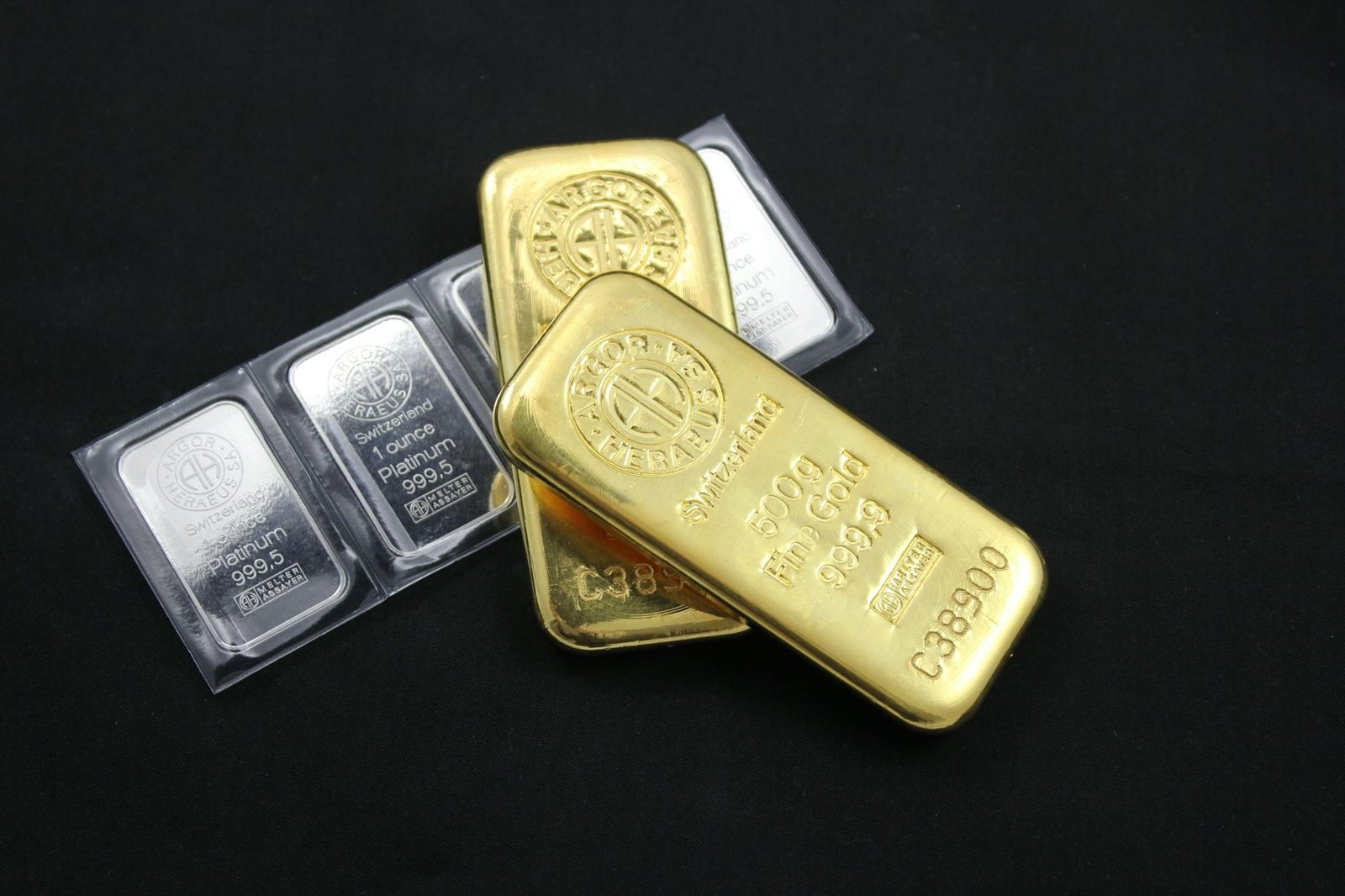
The IRS also mandates that platinum held in retirement accounts must be in specific forms. Eligible platinum products typically include coins produced by government mints and certain bars or rounds from approved refineries. Popular options include American Platinum Eagles, Canadian Platinum Maple Leafs, and bars from NYMEX-approved refineries.
Like other precious metals IRAs, platinum must be stored with an IRS-approved custodian. You cannot take physical possession of the platinum while it remains in the IRA structure. The custodian typically arranges storage with specialized precious metals depositories that meet IRS security and insurance requirements.
Eligible Platinum Products for IRAs
The selection of IRA-eligible platinum products is more limited compared to gold or silver options. American Platinum Eagles represent the most widely recognized choice, backed by the U.S. Mint with guaranteed purity and weight specifications. These coins contain one troy ounce of .9995 fine platinum and carry legal tender status.
Canadian Platinum Maple Leafs offer another government-minted option, featuring the same .9995 fineness requirement. The Royal Canadian Mint’s reputation for quality and precise specifications makes these coins popular among IRA investors seeking platinum exposure.
Platinum bars from COMEX-approved refineries also qualify for IRA inclusion, provided they meet the purity standards and contain proper assay certificates. These bars typically come in various sizes, from one-ounce increments to larger 10-ounce formats, though smaller denominations are more common for IRA purposes.
Australian Platinum Koalas, while less common, also meet IRS requirements when available. However, production of these coins has been inconsistent, making them less reliable as a core platinum IRA holding compared to American Eagles or Canadian Maple Leafs.
It’s worth noting that platinum jewelry, numismatic coins below the purity threshold, and platinum exchange-traded funds (ETFs) do not qualify for direct IRA ownership under current regulations.
Setting Up a Platinum IRA: Process and Requirements
Establishing a platinum IRA follows a similar process to setting up other self-directed retirement accounts. The first step involves selecting a custodian experienced in precious metals transactions, as not all IRA custodians offer platinum services.
Research potential custodians carefully, examining their fee structures, storage arrangements, and customer service capabilities. FINRA’s guidance on self-directed IRAs emphasizes the importance of due diligence when selecting custodial services for alternative investments.
Once you’ve chosen a custodian, you’ll complete account opening documentation and fund the IRA through contributions, transfers, or rollovers from existing retirement accounts. Understanding Gold IRA rollover rules provides insight into the transfer process, as platinum IRAs operate under identical rollover regulations.
After funding the account, you’ll work with your custodian to select and purchase eligible platinum products. The custodian typically maintains relationships with precious metals dealers and can facilitate purchases at competitive pricing. Some custodians offer online platforms for product selection and ordering.
Storage arrangements are automatically handled through the custodian’s relationship with approved depositories. These facilities maintain segregated storage options, keeping your platinum separate from other investors’ holdings, though commingled storage may also be available at lower cost.
Costs and Fees Associated with Platinum IRAs
Platinum IRA fees generally mirror those found in other precious metals retirement accounts, but platinum’s higher per-ounce value can affect the overall cost structure. Understanding these expenses is crucial for making informed decisions about platinum retirement investments.
Annual storage fees may be assessed as flat rates or based on account value, with higher-value platinum holdings potentially incurring percentage-based charges. Some custodians offer scaled fee structures where costs decrease as account values increase.
Transaction fees apply to both purchases and sales within the IRA, making frequent trading expensive. Most platinum IRA investors adopt buy-and-hold strategies to minimize these transaction costs over time.
Markup over spot price represents another significant cost consideration. Platinum dealers typically charge premiums above the current spot price, and these premiums can vary significantly between different products and dealers. American Platinum Eagles often carry higher premiums than bars due to their government minting and collector appeal.
Our Gold IRA fees guide provides additional context on precious metals IRA costs, as fee structures are similar across different metals.
Platinum vs Other Precious Metals in IRAs
Platinum brings unique characteristics to retirement portfolios that distinguish it from gold and silver. Understanding these differences helps investors evaluate whether platinum aligns with their retirement objectives.
Platinum’s industrial applications set it apart from gold, which is primarily used for jewelry and investment purposes. The automotive industry consumes approximately 40% of platinum production for catalytic converters, while chemical processing and other industrial uses account for additional demand. This industrial utility can influence platinum’s price movements differently than gold’s primarily investment-driven dynamics.
Supply constraints also differentiate platinum from other precious metals. South Africa and Russia dominate platinum production, with limited geographic diversity compared to gold mining. This concentration can create supply disruptions that affect pricing, though past performance is not a guarantee of future results.
Platinum has historically traded at various price relationships to gold, sometimes commanding premiums and other times trading at discounts. These relationships fluctuate based on industrial demand, mining production, and investment flows, creating different market dynamics than those affecting gold or silver.
Storage requirements for platinum mirror those of other precious metals IRAs, with identical custodial and depository arrangements. However, platinum’s higher value per ounce means smaller quantities may represent substantial account values, potentially affecting storage fee calculations.
The selection of IRA-eligible platinum products is more limited than gold or silver options, which could restrict portfolio customization. While IRA-eligible gold coins include numerous government and private mint products, platinum choices are more constrained.
Tax Implications and Distribution Rules
Platinum IRAs operate under standard IRA tax rules, with distributions treated as ordinary income regardless of how long the platinum was held in the account. This treatment applies to both traditional and Roth platinum IRAs, following the same tax framework as other retirement account assets.
For traditional platinum IRAs, contributions may be tax-deductible subject to income limitations, while distributions in retirement are taxed as ordinary income. Required minimum distributions (RMDs) begin at age 73, following IRS RMD requirements.
Roth platinum IRAs accept after-tax contributions, allowing for potentially tax-free distributions in retirement after meeting age and holding period requirements. The same contribution limits that apply to traditional IRAs also govern platinum IRA contributions, as outlined in IRS contribution limits.
Early distributions before age 59½ typically incur a 10% penalty plus ordinary income taxes, though certain exceptions may apply. However, taking physical possession of platinum from an IRA before retirement age would constitute a distribution, triggering both taxes and penalties.
When required distributions begin, platinum IRA holders face the practical challenge of meeting RMD requirements. Since RMDs must be satisfied annually, account holders may need to sell platinum positions or take in-kind distributions of physical platinum, then sell the metal to meet their cash needs.
Common Considerations and Potential Drawbacks
Several factors warrant careful consideration before establishing a platinum IRA. The limited selection of eligible products constrains investment choices compared to broader precious metals options. This limitation can affect pricing flexibility and may result in higher premiums for available products.
Liquidity considerations also merit attention. While platinum markets are well-established, the secondary market for specific IRA-eligible products may be less liquid than gold equivalents. This could affect sale prices when distributions become necessary.
The higher per-ounce value of platinum compared to silver means smaller quantities represent significant account values. While this can reduce storage space requirements, it may also limit flexibility in managing distribution requirements or portfolio rebalancing.
Market volatility in platinum can exceed that of gold due to industrial demand factors and concentrated supply sources. Economic downturns affecting automotive production can significantly impact platinum demand, while supply disruptions from major producing regions can cause price spikes. Past performance is not a guarantee of future results, and investors should carefully consider their risk tolerance.
Understanding how to avoid Gold IRA scams becomes particularly important with platinum IRAs, as the higher values involved can attract fraudulent operators. Due diligence in custodian and dealer selection remains paramount.
The complexity of precious metals IRAs also requires ongoing attention to regulatory compliance and account management. Some investors may find traditional retirement investments more straightforward to manage and monitor.
Making the Decision: Is a Platinum IRA Right for You?
Determining whether a platinum IRA fits your retirement strategy requires evaluating multiple factors against your individual circumstances and objectives. Consider your current retirement portfolio composition, risk tolerance, and long-term financial goals.
Platinum IRAs may appeal to investors seeking exposure to industrial precious metals within retirement accounts, particularly those interested in platinum’s unique supply and demand characteristics. However, the limited product selection and potentially higher costs require careful evaluation.
Your timeline to retirement affects platinum IRA suitability, as the illiquid nature of physical precious metals may not align with near-term liquidity needs. Investors with longer time horizons may be better positioned to weather platinum’s market volatility.
Professional guidance can prove valuable when evaluating platinum IRAs, particularly regarding how they might fit within your broader retirement strategy. Fee structures, tax implications, and distribution planning all benefit from expert analysis tailored to your specific situation.
Consider whether a Gold IRA is a good idea for your circumstances, as many of the same considerations apply to platinum IRAs. The fundamental question involves whether physical precious metals align with your retirement objectives and risk profile.
Remember that retirement planning benefits from thorough research and careful consideration of all available options. Platinum IRAs represent just one potential component of a comprehensive retirement strategy.
Frequently Asked Questions
Can I hold platinum bars in my IRA?
Yes, you can hold platinum bars in your IRA provided they meet IRS purity requirements of .9995 fine platinum and come from approved refineries with proper assay certificates. The bars must be stored with an IRS-approved custodian and cannot be held personally while in the IRA.
What is the minimum investment for a platinum IRA?
Minimum investment requirements vary by custodian, typically ranging from $5,000 to $25,000. Some custodians may have lower minimums, while others require higher initial investments. The high per-ounce value of platinum means even small quantities can represent substantial investments.
Are American Platinum Eagles the only coins allowed in IRAs?
No, while American Platinum Eagles are the most common choice, other government-minted platinum coins meeting the .9995 fineness requirement are also eligible. Canadian Platinum Maple Leafs and Australian Platinum Koalas (when available) also qualify for IRA inclusion.
How do I take distributions from a platinum IRA?
Distributions can be taken as cash after selling platinum holdings, or in some cases as in-kind distributions where you receive the physical platinum. Cash distributions are more common and simpler to execute, while in-kind distributions require careful coordination with your custodian.
Can I roll over my 401(k) into a platinum IRA?
Yes, you can roll funds from a 401(k) into a platinum IRA following standard rollover procedures. The process involves establishing the platinum IRA, then transferring funds directly from your 401(k) administrator to avoid tax consequences. Our 401(k) to Gold IRA rollover guide covers the general rollover process that applies to platinum IRAs as well.
Taking the Next Step
If you’re considering a platinum IRA as part of your retirement strategy, thorough research into custodians, costs, and eligible products will help inform your decision. Compare different precious metals IRA options and evaluate how they align with your overall retirement objectives.
For comprehensive information about precious metals retirement accounts, including detailed company comparisons and fee analysis, visit our Best Gold IRA Companies of 2026 guide to explore your options.
This article is for informational purposes only and does not constitute financial or tax advice. Investing in precious metals involves risk including possible loss of principal.


Comments
Post a Comment